

Ovens
Add a review FollowOverview
-
Founded Date November 4, 1923
-
Sectors Travel/Tourism
-
Posted Jobs 0
-
Viewed 6

Company Description
10 Things You Learned In Kindergarden To Help You Get Started With Hobs And Ovens
Understanding Hobs and Ovens: A Comprehensive Guide for Cooking Enthusiasts
The kitchen is often considered the heart of the home, where culinary productions come to life. 2 essential components of any kitchen are the hob and the oven. While they are both vital for food preparation and cooking, lots of house owners may not fully comprehend the distinctions, performances, and different types available in the market today. In this short article, we will check out these home appliances in detail, helping you make notified decisions for your cooking needs.

Table of Contents
- What is a Hob?
- 1.1 Types of Hobs
- 1.2 Benefits of Different Hob Types
- What is an Oven?
- 2.1 Types of Ovens
- 2.2 Benefits of Different Oven Types
- Selecting the Right Hob and Oven for Your Kitchen
- Frequently Asked Questions (FAQs)
- Conclusion
What is a Hob?
A hob, frequently called a cooktop, is a cooking surface that you place pots and pans on to prepare food. It features a range of heating elements and is regularly installed on counter tops. In contemporary kitchens, hobs can be found in various designs, innovations, and performances.
1.1 Types of Hobs
There are a number of kinds of hobs offered in the market:
| Type | Description |
|---|---|
| Gas Hob | Utilizes gas burners for cooking, providing accurate temperature control. |
| Electric Hob | Operates using electrical heating components, commonly seen in strong or glowing forms. |
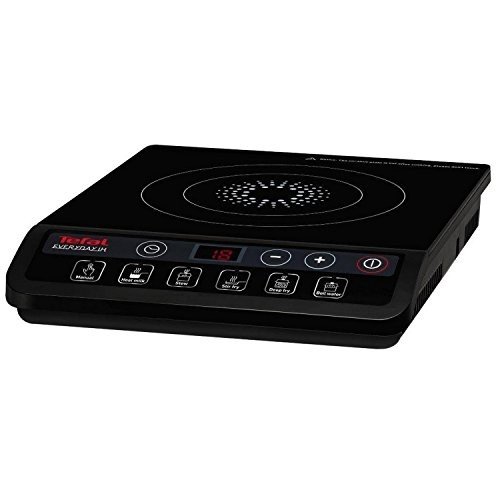
| Induction Hob | Utilizes magnetic fields to heat pots and pans straight, promoting energy performance. |
| Ceramic Hob | Features a smooth glass top, utilizing electric coils underneath the surface. |
| Strong Plate Hob | Conventional electric hobs with exposed metal plates that warm up. |
1.2 Benefits of Different Hob Types
-
Gas Hobs:
- Quick heating and cooling.
- Visual flame control for accurate cooking.
-
Electric Hobs:
- Even heating; perfect for simmering and boiling.
- Easy to clean, specifically flat surface areas.
-
Induction Hobs:
- Energy-efficient as only the pot warms up.
- Safety functions, such as automated shut-off.
-
Ceramic Hobs:
- Attractive visual appeals with a smooth surface.
- Even surface areas for simple cleaning.
-
Strong Plate Hobs:
- Cost-effective and resilient.
- Excellent for fundamental cooking needs.
What is an Oven?
An oven is a kitchen device used for baking, roasting, and broiling food. Ovens can be standalone units or built into kitchen cabinetry, providing numerous cooking methods that can improve or transform components.
2.1 Types of Ovens
Comparable to hobs, there are numerous kinds of ovens, each with its benefits:
| Type | Description |
|---|---|
| Conventional Oven | Runs with heating aspects, perfect for baking. |
| Convection Oven | Uses fans to circulate hot air, cooking food equally and quickly. |
| Microwave Oven | Cooks food utilizing electromagnetic radiation; suitable for reheating. |
| Steam Oven | Uses steam to cook food, protecting wetness and nutrients. |
| Wall Oven | Built into the wall, offering benefit and visual appeal. |
2.2 Benefits of Different Oven Types
-
Conventional Ovens:
- Simple to utilize with no complicated settings.
- Versatile for different cooking techniques.
-
Convection Ovens:
- Faster cooking times due to air circulation.
- Boosted browning and crisping for baked goods.
-
Microwave Ovens:
- Quick cooking or reheating of food.
- Energy-efficient for low-volume cooking.
-
Steam Ovens:
- Health-conscious cooking that keeps nutrients.
- Excellent for baking bread and cooking vegetables.
-
Wall Ovens:
- Convenient placement; conserves space.
- Less bending needed to gain access to cooking dishes.
Picking the Right Hob and Oven for Your Kitchen
When selecting a hob and oven, elements such as space, cooking style, and personal preferences should be considered. Here’s a basic guide to help you choose:
Factors to Consider
- Cooking Needs: Evaluate your cooking practices. Do you typically bake, or is stovetop cooking more common?
- Space Availability: Measure your readily available kitchen space. Some hobs or ovens might need more room than others.
- Fuel Type: Decide between gas and electric, based on availability and personal preferences.
- Budget: Determine what you’re willing to spend and discover choices within that variety.
Quick Tips
- Prioritize Efficiency: Look for energy-efficient designs to decrease long-term costs.
- Check out Reviews: Explore user reviews to collect viewpoints on performance and dependability.
- Consult Professionals: Seek advice from kitchen style experts when planning your layout.
Often Asked Questions (FAQs)
1. What is the difference in between a hob and an oven?
A hob is a cooking surface area typically for stovetop cooking, while an oven is an enclosed space utilized for baking, roasting, and broiling food.
2. Can I utilize any pot on an induction hob?
No, induction hobs require magnetic pots and pans. Stainless steel and cast iron pots work, however non-magnetic products like aluminum will not.
3. How do stove differ from traditional ovens?
Stove use fans to circulate hot air for even cooking, whereas traditional ovens do not have this feature.
4. Is it possible to have both a hob and oven as a single unit?
Yes, there are range Cookers and Ovens that incorporate a hob and an oven within one home appliance, offering a detailed cooking solution.
5. How do I tidy my hob and oven?
A lot of hobs and ovens have actually suggested cleansing techniques depending on their products. It is a good idea to seek advice from the maker’s directions for the best practices.
Understanding the distinctions between hobs and ovens is vital for anybody aiming to enhance their kitchen area or enhance their cooking abilities. By knowing the different types, their advantages, and how to choose the ideal ones for your requirements, cooking can become a more pleasurable and efficient experience. Whether you are a knowledgeable chef or a novice cook, the best combination of hob and oven can elevate your culinary creations to new heights.
